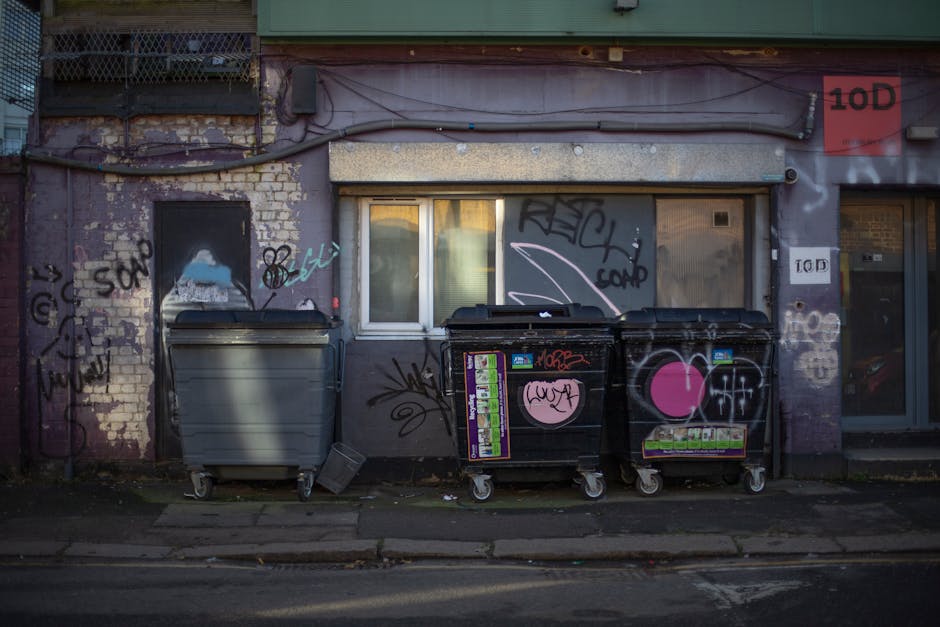
Bermondsey High Street rubbish removal guide for flats

If you live in a flat on Bermondsey High Street, rubbish removal can feel oddly complicated. There's the narrow stairwell, the shared entrance, the awkward parking, the neighbour who always seems to be carrying a pram at the exact wrong moment. Add bulky furniture, builder's rubble, or a full flat clear-out, and the job stops being a simple tidy-up.
This Bermondsey High Street rubbish removal guide for flats explains the practical options, the best way to avoid hassle, and how to choose a method that fits apartment living in a busy part of London. Whether you need a one-off clearance or a more regular flat waste solution, the aim here is straightforward: help you remove waste safely, legally, and without turning the hallway into a small disaster zone.
We'll look at the pros and cons of skip hire, wait and load, man and van collections, and when a service like rubbish removal or domestic skip hire may make more sense. We'll also cover common mistakes, realistic costs to think about, and the sort of planning that saves time on the day.
- Why rubbish removal in Bermondsey flats matters
- How the process works
- Key benefits and practical advantages
- Who this is for and when it makes sense
- Step-by-step guidance
- Expert tips for better results
- Common mistakes to avoid
- Tools, resources and recommendations
- Law, compliance, standards and best practice
- Options and comparison table
- Real-world example
- Practical checklist
- Conclusion
- Frequently asked questions
Why Bermondsey High Street rubbish removal guide for flats Matters
Flat living changes the rules. In a house, you can usually wheel bags to the front path and deal with waste on your own timetable. In a block of flats, rubbish has to pass through shared spaces, often with limited lift access, tighter kerbside space, and more rules around noise, loading, and building management.
That matters because waste left too long becomes more than an eyesore. It can block access, create odours, attract pests, and make neighbours understandably frustrated. A cluttered bin store can also make the whole building feel less cared for. Nobody wants that, especially on a busy stretch where foot traffic and deliveries are already constant.
There's also the practical side. Flats often produce mixed waste: old furniture, packaging, carpet offcuts, kitchen rip-outs, broken appliances, and the odd mystery box from the back of a cupboard. If you do not separate that properly, you can end up paying more, delaying collection, or discovering a few items are not accepted at all.
For Bermondsey High Street residents, the best rubbish removal approach is usually the one that respects the building, the neighbours, and the street itself. That may sound obvious, but in real life it's what saves the most stress.
How Bermondsey High Street rubbish removal guide for flats Works
There are a few common ways to remove rubbish from a flat, and the right choice depends on how much you have, how quickly you need it gone, and how easy access is at your property.
First, you assess the waste. Is it a few black bags and some small clutter? A sofa, mattress, and wardrobe? Or a larger clear-out with renovation waste mixed in? That answer shapes the entire job.
Then you choose a removal method. For many flats, wait and load skip hire is ideal when you cannot leave a skip outside for long. The vehicle arrives, you load waste quickly, and it goes. This is often better than a skip sitting in a limited parking bay for days. If you need more flexibility and have enough space for a container, skip hire may suit a larger clear-out.
In some buildings, a direct collection service is easier still. A team can take the waste from the flat or from a loading point, which is especially useful for bulky items or multiple floors. If you are clearing furniture, appliances, or a mixture of bagged and bulky waste, a service such as man and van can be the simplest route.
Finally, the waste is sorted for disposal or recycling. Good operators will aim to recycle as much as possible and separate reusable materials where feasible. That part matters more than people think. It keeps costs and environmental impact under control, and it gives you peace of mind that the job has been handled properly.
Key Benefits and Practical Advantages
Choosing the right rubbish removal method for a flat is not just about getting things out of the door. Done properly, it makes the whole move, refurbishment, or declutter feel manageable.
- Less disruption: You avoid piling waste in hallways or shared areas for days.
- Better access management: Flat collections can be planned around lift use, building hours, and loading restrictions.
- Safer movement of bulky waste: Heavy items are handled with less risk of damage to walls, stairs, and doors.
- More suitable for tight streets: Bermondsey High Street is not the place for careless kerbside planning.
- Clearer budgeting: When you know the waste type and volume, pricing becomes easier to compare.
- Improved recycling outcomes: Proper sorting can keep more material out of general disposal streams.
One quiet benefit is time. A flat clearance done badly can drag on for days. A well-planned collection, by contrast, can be over in a single visit. That's the difference between an irritating weekend and a proper reset.
If you are comparing collection styles, it can help to look at skip sizes and prices before deciding. Sometimes a small skip is enough. Sometimes you'll realise a removal truck is the better fit and avoid paying for space you do not need.
Who This Is For and When It Makes Sense
This guide is for anyone in a Bermondsey flat who needs to get rid of waste without creating extra hassle. That includes renters, leaseholders, landlords, letting agents, and homeowners preparing for a move or refurbishment.
It makes sense when you have:
- a one-off spring clean or end-of-tenancy clear-out
- bulky furniture that will not fit into normal bins
- DIY waste from a kitchen, bathroom, or flooring job
- box after box from an unpacking or relocation project
- a flat that has simply got away from you a bit. It happens.
It also makes sense if your block has limited outside space. Some Bermondsey flats have little more than a narrow frontage or shared access, which makes traditional skip placement awkward. In those cases, a wait-and-load approach or a timed collection is often cleaner and far less contentious.
If you are handling a bigger home project rather than a simple flat tidy-up, other services may be more suitable, such as house clearance, garage and loft clearance, or builders waste removal. The key is matching the service to the actual job, not the other way around.
Step-by-Step Guidance
If you want the least stressful route, follow a proper sequence. Rushing straight to collection usually leads to missed items, access problems, or extra fees. Not ideal.
- Sort the waste first. Separate general rubbish, furniture, electrical items, and anything potentially hazardous. This saves time and helps you avoid prohibited loads.
- Estimate the volume. Think in terms of number of bags, size of furniture, and whether items can be broken down. A dismantled wardrobe is much easier to remove than a full one, obvious as that sounds.
- Check your access. Can a van stop nearby? Is there lift access? Are there stairs only? Will the collection crew need to use a rear entrance or a loading bay?
- Choose the right collection method. For quick, on-street jobs, a timed load can work well. For larger volumes, compare skip options. For mixed bulky waste, a direct collection service may be best.
- Confirm building rules. Ask about time restrictions, parking rules, and any requirement to protect communal areas. A bit of advance checking saves awkward conversations later.
- Prepare the waste neatly. Bag small items, stack furniture safely, and keep sharp edges wrapped or taped. It is a tiny bit of effort, but it pays off.
- Book the collection window. Try to align it with when you will actually be ready. A team waiting outside while you search for the last lamp shade is nobody's favourite moment.
- Walk through the load before pickup. Make sure nothing prohibited has slipped in by mistake, especially paint, chemicals, or broken electronics that need separate handling.
If you are unsure what can go where, the page on what can go in a skip is a useful starting point. It is better to check before collection than to sort a surprise pile at the kerbside.
Expert Tips for Better Results
Here's the practical stuff that often gets overlooked.
Break large items down where you can. A bed frame, wardrobe, or shelving unit takes up far less space once dismantled. That can reduce the collection size you need and make loading quicker.
Keep recyclables separate. Cardboard, clean wood, metal, and certain plastics are often easier to process if they are grouped sensibly. The load does not need to be immaculate, just not random chaos in bin bags.
Think about noise. If you live in a quiet block, early morning stairwell noise can annoy neighbours fast. A little timing consideration goes a long way.
Protect shared areas. Use blankets, cardboard, or moving pads for anything heavy. Scraped paint on a communal wall is one of those annoying little things that costs more to fix than to prevent.
Ask about loading time. If your waste is already gathered and easy to access, a wait-and-load arrangement can be efficient. If not, allow extra time so you are not pressured into rushing.
Do not assume the cheapest option is best. A cheaper quote can become expensive once access, labour, and disposal rules are factored in. Price matters, of course, but clarity matters more.
For more detailed disposal planning, it can also help to look at waste recycling services and recycling and sustainability. If the provider explains how materials are handled, that is usually a good sign.
Common Mistakes to Avoid
Most flat rubbish problems come from a handful of predictable mistakes. The good news? They are easy to avoid once you know them.
- Leaving waste in hallways too long. It blocks access and can upset neighbours or management.
- Booking the wrong size service. Too small means repeat visits; too large means wasted money.
- Ignoring access restrictions. A van cannot magically appear where a loading bay doesn't exist.
- Mixing prohibited waste with ordinary rubbish. Hazardous materials need special handling.
- Forgetting parking or permit issues. This is especially relevant in central London areas where space is tight.
- Not checking appliance rules. Fridges, freezers, and other items may require separate treatment.
- Waiting until the last minute. Then everything becomes urgent, and urgent jobs are never as relaxing as they sound.
If you are disposing of items like white goods, use a service that specifically handles them, such as fridge and appliance removal. Likewise, for beds and sofas, a dedicated option like mattress and sofa disposal is often cleaner and more efficient than bundling them into general waste.
Tools, Resources and Recommendations
You do not need much equipment to organise flat rubbish removal well, but a few simple tools help a lot.
- strong refuse sacks for mixed small waste
- tape and labels for bundling loose items
- a screwdriver or hex key for dismantling furniture
- gloves with decent grip
- a trolley or sack truck if you are moving items through a long corridor
- old blankets or cardboard for protecting floors and walls
From a service point of view, three options tend to stand out for flats:
- man and van for mixed, bulky, or awkward loads
- wait and load skip hire for fast roadside loading
- enclosed and lockable skip hire where security or mess control matters more
If your load is larger or tied to works in the flat, it may be worth reviewing builders skip hire or construction waste disposal. For smaller domestic clearances, the simpler domestic route often wins.
And if you are still weighing up whether to book or just ask a few questions first, the page on pricing and quotes is a sensible place to start.
Law, Compliance, Standards, or Best Practice
Flat waste removal is not only about convenience. There is also a duty to dispose of waste responsibly. In the UK, householders still have a basic responsibility to make sure waste is handled by a legitimate carrier and taken to a proper disposal or recycling route.
In plain English: do not hand waste over to someone who cannot clearly explain where it goes. If a load is fly-tipped after collection, the story can become very unpleasant very quickly. The safest approach is to use a provider that is transparent about handling, insured, and organised.
Good practice also means separating hazardous items. Paint, solvents, batteries, pressurised containers, asbestos, and some electrical items need specific treatment. Do not tuck them into a general rubbish bag and hope for the best. That is one of those shortcuts that always comes back to bite.
For mixed or sensitive waste, some people also look at hazardous waste disposal or confidential shredding if paperwork and data-bearing material are involved.
Best practice in a flat setting is simple:
- keep communal spaces clear
- avoid blocking fire exits or shared access
- use appropriate bags, containers, and lifting methods
- check building rules before collection day
- choose a carrier that gives clear, sensible advice
That is the boring answer, but it is the right one.
Options, Methods, or Comparison Table
Below is a practical comparison of the main flat rubbish removal options. There is no single winner. The best choice depends on access, volume, and how quickly you need everything gone.
| Method | Best for | Strengths | Limitations |
|---|---|---|---|
| Rubbish removal | General flat clear-outs and mixed waste | Quick, simple, minimal disruption | May be less ideal for very large volumes |
| Wait and load | Flats with limited space or parking | No long-term skip storage, fast turnaround | Needs waste ready to go on arrival |
| Skip hire | Larger clear-outs or repeat loading | Flexible loading over time, useful for renovation waste | Space and access can be tricky in flat settings |
| Man and van | Bulky items, stairs, awkward access | Hands-on help, adaptable for mixed loads | May not suit heavy ongoing construction waste |
If you are unsure which option fits, start with the access question. In a flat on a busy high street, access usually decides everything. The waste type comes second.
Case Study or Real-World Example
Here is a typical Bermondsey-style scenario. A couple in a first-floor flat decides to clear out a spare room before a baby arrives. The room contains a cot frame, old shelving, a broken office chair, several bags of clothes, packaging from flat-pack furniture, and a mattress they've been meaning to sort out for months.
At first glance, it looks like a huge job. In reality, it is manageable if handled in the right order. They break down the shelving, bag the soft items, move the mattress separately, and check whether there is space for a vehicle to load quickly outside. Because the building has limited outside room and the street gets busy by late morning, a wait-and-load collection is the cleanest fit.
The collection is done in one visit. No skip sitting outside. No hallway clutter. No awkward "I'll just move that later" pile growing by the front door. And because the load was sorted before the crew arrived, the whole process is done before lunchtime. Simple, really.
Another common example is a rented flat at the end of a tenancy. The tenant has a mixture of unwanted kitchen items, broken bedside tables, and bags of general waste. In that case, a house clearance style approach, or a direct flat clearance service, is often much less stressful than trying to coordinate multiple trips to the tip.
Practical Checklist
Use this before collection day. It keeps things calm.
- Separate general rubbish from furniture, appliances, and special waste
- Measure or estimate the volume of waste
- Check lift access, stair access, and any time restrictions
- Confirm parking or loading options
- Ask about items that cannot be taken in a standard load
- Disassemble large items where possible
- Protect floors, walls, and communal corners
- Keep bags tied and manageable
- Make sure the crew can reach everything without hunting for keys or codes
- Double-check the booking time the day before
If you want a more guided starting point, the pages for book online and contact us can help you move from planning to action without overthinking it.
Get a free quote today and see how much you can save.
Conclusion
Flat rubbish removal on Bermondsey High Street does not need to be complicated, but it does need to be thought through. The building layout, street access, and waste type all matter. Once you match the method to the space, the job gets easier almost immediately.
For some flats, a quick collection is all that's needed. For others, a skip or wait-and-load service makes more sense. The real win is choosing the option that keeps shared spaces clear, respects neighbours, and gets the waste handled properly the first time.
And honestly, that bit of calm is worth a lot. One less thing hanging over you. One more room back in use. One small win, but a good one.
Frequently Asked Questions
What is the best rubbish removal option for flats on Bermondsey High Street?
For many flats, a timed collection or wait and load service is the easiest choice because it avoids leaving a skip in a tight space. If you have a larger amount of waste and enough access, skip hire may still work well.
Can I use skip hire if I live in a flat?
Yes, but access is the deciding factor. If there is no suitable place to put a skip safely and legally, then another method such as wait and load skip hire or a direct collection can be a better fit.
How do I get bulky items out of a flat without damaging the building?
Break items down where possible, protect corners and floors, and plan the route before lifting anything. If the item is awkward or heavy, it is usually safer to use a team that handles man and van collections.
What items should not go in normal rubbish removal?
Hazardous materials such as chemicals, solvents, certain batteries, and some electrical items need special care. If you are unsure, ask before booking rather than guessing on collection day.
How much rubbish can I remove from a flat at once?
That depends on the method you choose and how accessible the property is. A small flat clear-out may fit into a single van load, while a refurbishment project may need a larger skip or a more structured waste disposal plan.
Do I need permission from my building management?
Often, yes, especially if waste will pass through communal areas or if a vehicle needs to stop outside. It is sensible to check the building rules first so you do not end up in a last-minute dispute.
Is wait and load better than a skip for apartments?
Usually, yes, if space is limited. Wait and load avoids leaving a container on the street and can be much easier in busy residential areas where parking is already tight.
Can furniture and appliances be removed together?
Yes, in many cases they can, but appliances may need separate handling depending on the item. Services such as fridge and appliance removal are useful when white goods are involved.
What if I only have a few bags and one sofa?
That is exactly the kind of job where a smaller, flexible service makes sense. It is not worth overcomplicating it. A sofa disposal option plus general rubbish removal is often enough.
How far in advance should I book rubbish removal for a flat?
If you have a fixed moving date or access window, book as early as you can. For urgent jobs, same-day options may be available, but planning ahead gives you more choice and usually less stress.
Are there eco-friendly rubbish removal options?
Yes. Look for services that discuss recycling and material sorting clearly. A provider that explains how waste is processed is usually a better bet than one that gives vague answers.
What should I do with confidential papers or paperwork?
Keep them separate from general waste and use a proper shredding service if needed. Confidential shredding is the sensible route for anything with personal or sensitive information.
What is the biggest mistake people make with flat rubbish removal?
Leaving everything until the last minute. It sounds minor, but in a flat, a rushed job becomes messy quickly. A little planning avoids blocked corridors, awkward collection times, and unnecessary costs.
How do I choose between a skip, man and van, and rubbish removal?
Start with access, then volume, then urgency. If you need flexibility and hands-on loading help, man and van is often best. If the waste is ready to go and the street space is limited, wait and load may be smarter. If you have enough room and enough waste, skip hire can still be worthwhile.
Where can I learn more before booking?
A good next step is to review the provider's information on skip sizes and prices, what can go in a skip, and recycling and sustainability. That gives you a clearer picture of what fits your situation.