Skip Hire in Bermondsey

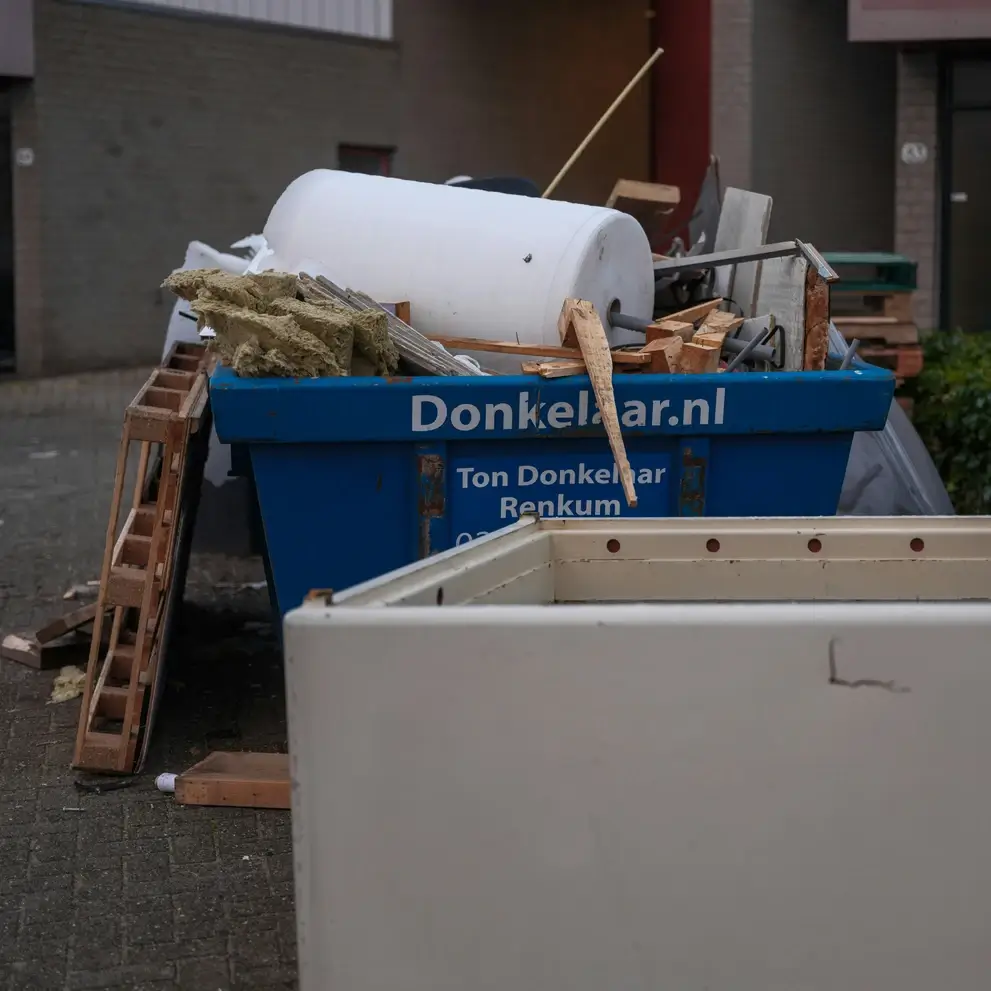
Skip hire in Bermondsey provides a practical way to manage mixed waste from home clear-outs, refurbishment work and smaller building projects. Our service is arranged around straightforward collections, suitable skip sizes and clear guidance on what can be loaded, so customers can choose a waste solution that fits the task rather than over-ordering. Whether the job involves a short domestic tidy-up or a more involved site clean-up, the aim is to make waste removal orderly, compliant and easy to plan.
We work with a range of customers who need waste taken away without unnecessary delays or confusion. That includes builders, tradespeople, landlords, homeowners and businesses looking for a reliable way to clear bulky rubbish, rubble, timber, packaging and general non-hazardous waste. Good skip hire is not only about dropping off a container; it is also about choosing the right service, understanding access and loading rules, and making sure the waste is handled appropriately from start to finish.
For a clearer view of the service range, you can read more about our skip hire service or choose a more specific option such as domestic or commercial waste handling, depending on the type of material and the scale of the job.
Choosing the right skip for the job
The right skip depends on the waste type, the amount being removed and where the container needs to sit during the hire period. General household clear-outs usually need different capacity from construction debris, and heavy materials such as soil, concrete and rubble need careful planning because weight can matter as much as volume. A well-matched skip helps prevent wasted space, unnecessary collections and avoidable handling problems.
If you are comparing options, it helps to think about what will be loaded first, whether the waste is mixed or sorted, and how much room is available on site. For many customers, that means considering access, parking position and whether a standard on-street placement is realistic. Where space is tight, a managed wait and load skip hire option may suit the project better than leaving a container in place, while larger or heavier jobs may call for a builders' skip or a dedicated construction service.
What makes a service suitable
Skip hire should feel practical, not complicated. A suitable service gives you a clear description of the waste it can take, the size range available and the likely restrictions on loading. It should also make it easy to understand whether you are dealing with a general rubbish load, building debris, household waste or a more specialised stream. That clarity matters because the wrong choice can slow the project and make disposal less efficient.
Domestic, garden and household clearances

Domestic waste removal is often needed when a property is being tidied, renovated or prepared for a change of use. Our domestic skip hire service is designed for household projects where a straightforward container is the most sensible solution, while broader clear-outs can also be supported through related services for furniture, broken household items and general rubbish. The focus is on removing waste in a structured way rather than leaving piles building up around the property.
For outside areas, garden and exterior waste can be grouped separately from ordinary household rubbish where that makes loading simpler. Branches, cuttings, soil and other green material are often easier to manage when the disposal plan is matched to the type of waste. A customer planning a larger tidy-up may find it useful to combine a skip with a targeted garden waste removal or to use house clearance support where items from lofts, garages or whole rooms need to go at the same time.
When a property contains a mixture of usable, recyclable and bulky discarded items, it can help to separate the job into stages. For example, a loft or garage may hold cartons, old furniture, toys, broken storage and long-forgotten general clutter. In those cases, a service such as garage and loft clearance can be a useful companion to skip hire, especially when the aim is to free up space efficiently and sort the load with less disruption.
Builders, contractors and site work
Building work produces waste that is often heavier, messier and more varied than household rubbish. Brick, plasterboard, timber offcuts, packaging, insulation and mixed demolition materials all need handling in a way that supports the pace of the job. For that reason, builders often choose services with clear skip availability and waste categories that suit renovation, repair and structural work. Choosing the right disposal method from the outset helps the site remain tidy and easier to work on.
Our builders' skip hire and builders waste removal options are relevant when the task produces a steady stream of debris rather than a one-off household load. For larger or more aggressive clearances, a related construction waste disposal service may be more suitable, while demolition waste removal can help when the material includes dense fragments and mixed residues from stripping out a structure. The aim is always to match the disposal route to the way the site actually works.
- Choose the waste route that fits the material mix.
- Allow space for safe loading and access.
- Use a service that can handle the pace of the project.
- Keep the load within the permitted waste type.
Commercial waste and workplace clear-outs

Commercial skip hire is useful when a workplace, shop unit, warehouse or managed property needs a dependable way to remove bulky waste. Offices, retail premises and shared business spaces often generate more packaging, furniture, archive material and general disposal than a small domestic job, so the collection plan needs to be efficient and easy to coordinate. Our commercial skip hire service supports that need by focusing on practical waste handling rather than one-off ad hoc removal.
Where the waste is internal rather than external, a dedicated office or property clearance may be more appropriate than a standard container. That can apply to desks, chairs, cupboards, general office contents and obsolete materials from reorganisation or relocation. A linked office clearance service can help when the priority is to empty a workspace, whereas a skip may suit mixed rubbish created during the process. For larger site-based jobs, the broader site clearance route can be a better fit.
For many business customers, the decision comes down to whether the waste is being generated steadily during works or cleared in one concentrated move. A skip is often most useful when the waste needs a temporary holding point, while a removal service is better when items must be taken away directly. Both approaches can support a tidy workplace, but the best choice depends on the volume, access and the type of material involved.
Specialist waste streams and controlled disposal
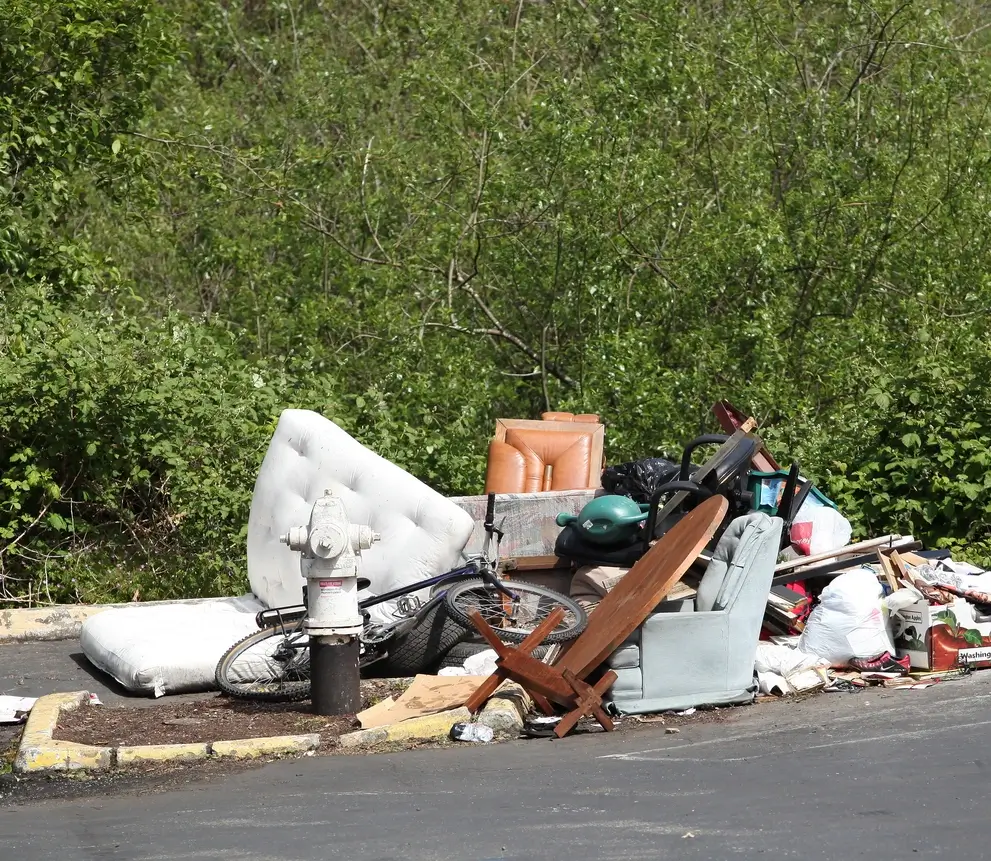
 Some waste types call for more careful handling than general rubbish. Items such as fridges, mattresses, sofas and hazardous materials are not always suitable for ordinary mixed skip loading, and certain loads may need separate disposal arrangements altogether. That is why it is important to distinguish between common waste and specialist streams before choosing how to book the job. Doing so helps reduce the risk of rejected items and keeps the disposal process more manageable.
Where specialist removal is needed, related services can provide a more appropriate route. For example, fridge and appliance removal is suitable for bulky white goods, while mattress and sofa disposal deals with awkward furniture that can be difficult to load efficiently. For hazardous materials, the safer choice is a dedicated hazardous waste disposal service rather than treating everything as ordinary mixed rubbish. This keeps each load aligned with the right disposal method.
Clear loading rules make a noticeable difference to how smoothly a waste job runs. If you are unsure whether an item belongs in a skip or should be handled separately, it is better to check first than to assume. That is especially true for materials that can contaminate a mixed load or require special treatment because of their condition, content or composition.
How to plan a skip hire booking
Planning a booking is usually easiest when you begin with three practical questions: what is going out, how much space will it take and how quickly do you need it removed? Photographs or a short written description of the waste can help the right service be identified, especially if the load contains mixed materials or awkward items. It is also useful to think about access, whether the skip will be placed on private ground, and whether there are any loading restrictions that matter on site.
Once the main details are known, the next decision is often whether the project needs a standard skip, a fast-response collection or a more targeted removal service. Where time is tight, a same-day skip hire option may be relevant, while customers who want to book online can use the website’s booking route if it suits the job. For enquiries that need a price breakdown, a dedicated pricing and quotes page can be a helpful next step.
Useful points to consider before ordering
Before confirming the arrangement, think about where the vehicle can reach, whether loading will happen in one go or over several days, and whether the waste contains items that need to be kept apart. These details are often enough to narrow down the most practical option without adding unnecessary complexity. When the job is well described from the start, the service can be aligned more accurately with the waste and the site.
Permits, access and placing the skip
If a skip is being placed on public highway rather than private land, permit requirements may apply and should be checked before the container is delivered. That is why many customers review skip permit information alongside their booking rather than treating it as an afterthought. A careful approach to placement matters because it affects both legal compliance and day-to-day usability, especially where parking, pedestrians or neighbouring access need to be considered.
When space is limited, the type of delivery setup can matter just as much as the skip size. Skip permits and related access arrangements should be reviewed early if the site is tight, while an enclosed or lockable container may be worth considering where security or weather protection is a priority. In some cases, the layout of the project means that a skip is the right answer only if the placement is planned sensibly from the outset.
For jobs where a skip is not the easiest method, alternatives such as grab hire or grab lorry hire may be more efficient. Those options are particularly useful where the waste is already piled or where mechanical loading is more practical than manual filling. The best choice depends on the amount, location and shape of the waste, not just on the idea of hiring a container.
Support for heavy, mixed and fast-moving loads
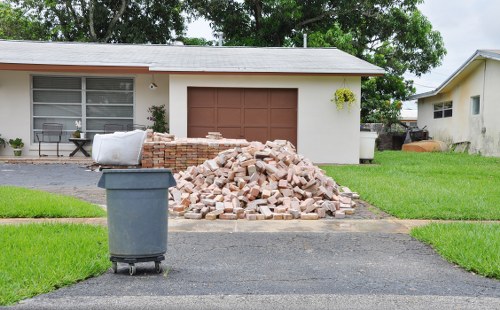
Some projects create waste that changes quickly from day to day. That may include mixed rubble, timber, packaging, broken fittings and general site rubbish from a refurbishment or strip-out. In those situations, a flexible disposal approach is often more useful than a rigid one. Services such as grab hire services, grab lorry hire and muck away services can be appropriate where heavy or loose waste needs to be collected in a way that suits the site conditions.
For projects that begin as a clear-out and become more involved, it can help to combine services rather than trying to force all the waste into one category. A domestic job may shift into construction waste as a room is stripped back, or a commercial clearance may uncover redundant fixtures and fittings that are better handled separately. Where the load is mixed but largely non-hazardous, a general skip remains a straightforward option, but the details of the waste should always lead the decision.
Requesting a quotation is simplest when you know the waste type, the approximate amount and the access conditions. If you are ready to move forward, send the details and we can help you choose the most suitable service. For a direct next step, contact us about skip hire in Bermondsey.
About Bermondsey
Bermondsey is a district in the London Borough of Southwark, on the south bank of the Thames, with a history shaped by riverside industry, warehousing, market trading and later redevelopment. Its position east of London Bridge has long made it part of the capital’s commercial and transport landscape. The area includes a mix of streets, estates, converted industrial buildings and newer apartment schemes, with the river edge remaining one of its defining geographical features. Bermondsey Street is among the best-known local thoroughfares, linking the historic core with restaurants, galleries and independent shops. Nearby, the White Cube gallery helped reinforce the street’s cultural profile in the late twentieth and early twenty-first centuries. The district also contains links to older religious and civic history, including Bermondsey Abbey’s medieval past and the later Parish Church of St Mary Magdalen. Bermondsey Spa has undergone substantial change from its original spa and leisure associations to residential development. To the south and east, the area connects into wider Southwark neighbourhoods, while to the north the riverfront and adjacent routes reinforce its relationship with the City and Docklands. Southwark Park, opened in 1869, provides a significant open space within walking distance of much of the district and adds a large recreational landscape to an otherwise densely built urban environment. The area’s identity is also tied to former food and leather industries, market activity and riverside trade, traces of which remain visible in street names, building types and the layout of some surviving warehouse structures. Today Bermondsey combines heritage buildings, modern housing and active local commerce, giving it a layered character that reflects both its industrial past and its ongoing urban renewal.
Waste types, recycling and final checks
Waste jobs are easier to manage when there is a basic plan for sorting and disposal. Mixed loads can often be reduced by separating recyclable material, reusable items and genuine rubbish before collection day. This approach helps keep the load more organised and can also make it easier to understand which service is most appropriate. A targeted recycling and sustainability page may also be useful for customers who want a clearer view of how materials are handled once they leave the site.
The same applies when reading the allowed contents for a skip. The page on what can go in a skip gives a useful starting point for common waste types, while skip sizes and prices can help customers compare capacity and likely cost factors before they enquire. If the job is unusual, then a specific disposal page is often a better reference than relying on a general assumption about what can be loaded.
Whatever the project, the goal is to make waste removal simple, lawful and appropriately matched to the materials involved. If you are planning a clear-out, renovation or site job in Bermondsey, take a moment to choose the right service first. Then request your quotation when you are ready.